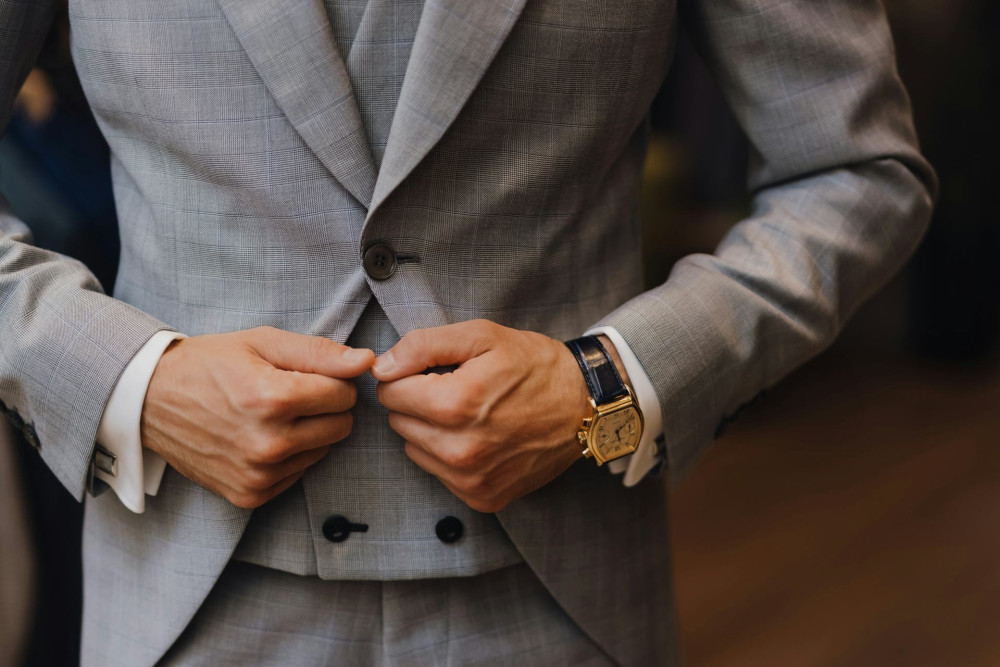
Colors in Layers: Create a Harmonious Look with Intentional Choices

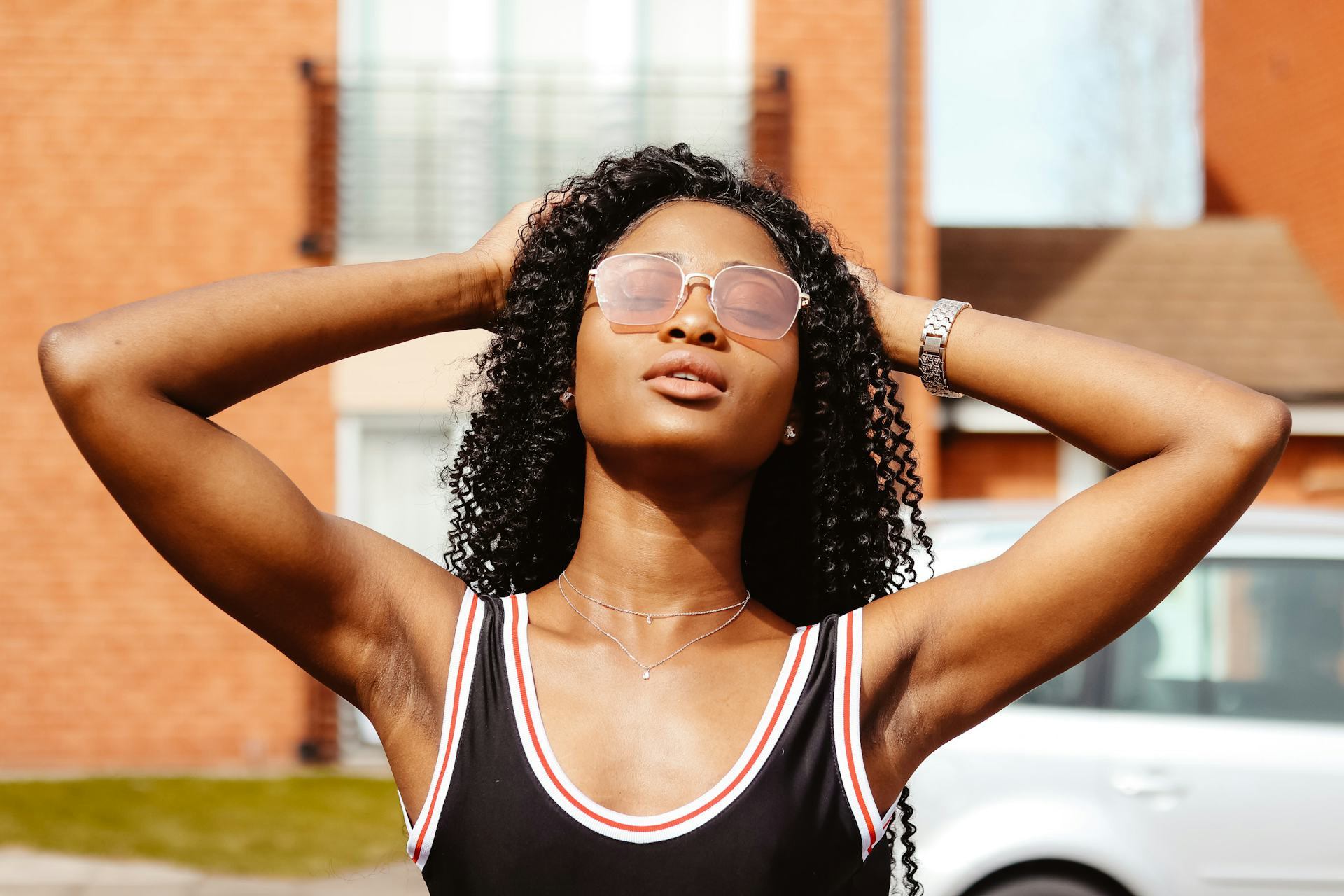
Colors in Layers: Create a Harmonious Look with Intentional Choices
Colors influence us more than we often realize. They can bring calm, energy, warmth, or coolness—and when combined with intention, they create a look that feels both personal and balanced. Whether you’re styling an outfit, decorating your home, or designing a visual project, understanding how colors interact is key. Here’s how you can use layered colors to create depth, harmony, and a sense of cohesion in your everyday surroundings.
Colors as Mood Makers
Every color carries its own emotional tone. Blue often evokes calm and stability, while red conveys energy and passion. Green connects us to nature and balance, and yellow brings brightness and optimism. When working with color, it’s not just about what looks good—it’s about the feeling you want to create.
A harmonious look emerges when colors support one another. They don’t have to match perfectly; instead, they should create a natural rhythm. The contrast between warm and cool tones, or between light and dark shades, can add life and dimension to your space or outfit.
Layering for Balance
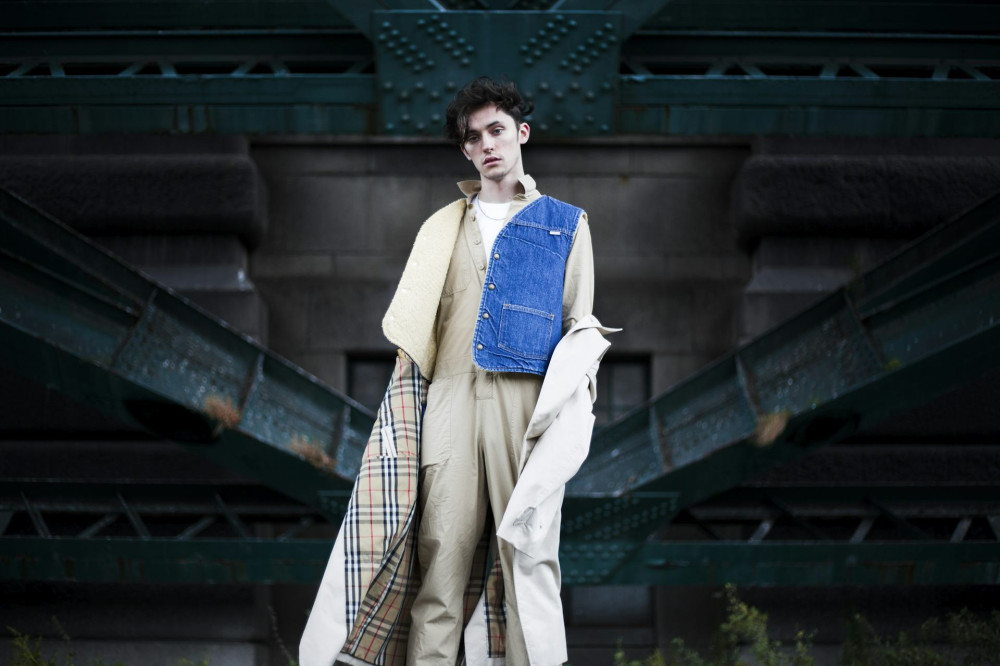
Layering colors means combining multiple shades and tones so they form a cohesive whole. This can apply to fashion—mixing fabrics and hues—or to interior design, where walls, furniture, and accents work together.
- Start with a base color – Choose a neutral foundation such as beige, gray, navy, or soft olive. This sets the tone for your palette.
- Add mid-tones – Incorporate colors that are close to your base but vary in intensity. This adds depth without overwhelming the eye.
- Finish with accents – Use small pops of stronger color to bring energy and personality. Think of a bold throw pillow, a piece of art, or a statement accessory.
When layering, the goal is to create visual movement. The colors should complement, not compete with, one another.
Læs også:


Finding Color Harmony
There are several ways to discover harmonious color combinations. A classic tool is the color wheel, which helps you see relationships between hues:
- Monochromatic harmony – Use one color in different shades and tints. This creates a calm, elegant look.
- Analogous harmony – Combine colors that sit next to each other on the color wheel, like blue and green. The result feels natural and balanced.
- Complementary contrast – Pair colors opposite each other, such as orange and blue. This creates energy and visual interest but requires balance to avoid being too intense.
Experimenting with these principles can help you find a palette that reflects your personality and the atmosphere you want to convey.
The Role of Materials and Textures
Color doesn’t exist in isolation—it’s influenced by texture and material. A matte surface softens a color, while a glossy finish makes it more vibrant. In fashion, a dusty rose wool sweater feels cozy and warm, while the same color in silk appears lighter and more refined.
When layering colors, think about texture as well. Mixing rough and smooth materials adds contrast and makes the overall look more dynamic, even if the colors themselves are similar.
Create Your Own Color Language
Ultimately, color is a form of self-expression. Some people feel most at home in muted, earthy tones, while others thrive in bold, saturated hues. The key is to choose intentionally. Ask yourself what you want to communicate—serenity, creativity, strength, or warmth—and let your colors tell that story.
A helpful tip is to create a small color palette that represents your style. Use it as a guide when shopping for clothes, choosing paint colors, or selecting décor. This consistency helps your choices feel cohesive and authentic, rather than driven by fleeting trends.
Bringing Color into Everyday Life
Working with layered colors isn’t just for designers or stylists—it’s a way to bring harmony into daily life. The clothes you wear, the rooms you live in, and the moods you surround yourself with all reflect your color choices. When you choose colors with care, the result is not only beautiful but also meaningful—a reflection of who you are and how you want to feel.
Læs også: