The Role of Casinos in Urban Development and Tourism Worldwide

The Role of Casinos in Urban Development and Tourism Worldwide
For more than a century, casinos have been among the most visible engines of urban growth and global tourism. From the neon glow of Las Vegas to the futuristic skyline of Macau and the timeless elegance of Monte Carlo, the gaming industry has shaped cities, economies, and cultures. Yet the influence of casinos extends far beyond the gaming floor—they serve as catalysts for investment, employment, and international attention.
From Desert Outpost to Global Metropolis – The Las Vegas Model
Las Vegas stands as the most iconic example of how casinos can transform a city from almost nothing into a world-renowned destination. In the early 1930s, it was little more than a railroad stop in the Nevada desert. When the state legalized gambling in 1931, a new era began—one that would turn Las Vegas into a global entertainment capital.
Casinos attracted investors, workers, and tourists, and soon an entire ecosystem of hotels, restaurants, theaters, and convention centers grew around the gaming industry. Today, Las Vegas is not just a gambling hub but a cultural and economic powerhouse, drawing millions of visitors each year for everything from concerts and fine dining to major sporting events and conventions.
Macau – Asia’s Answer to Las Vegas
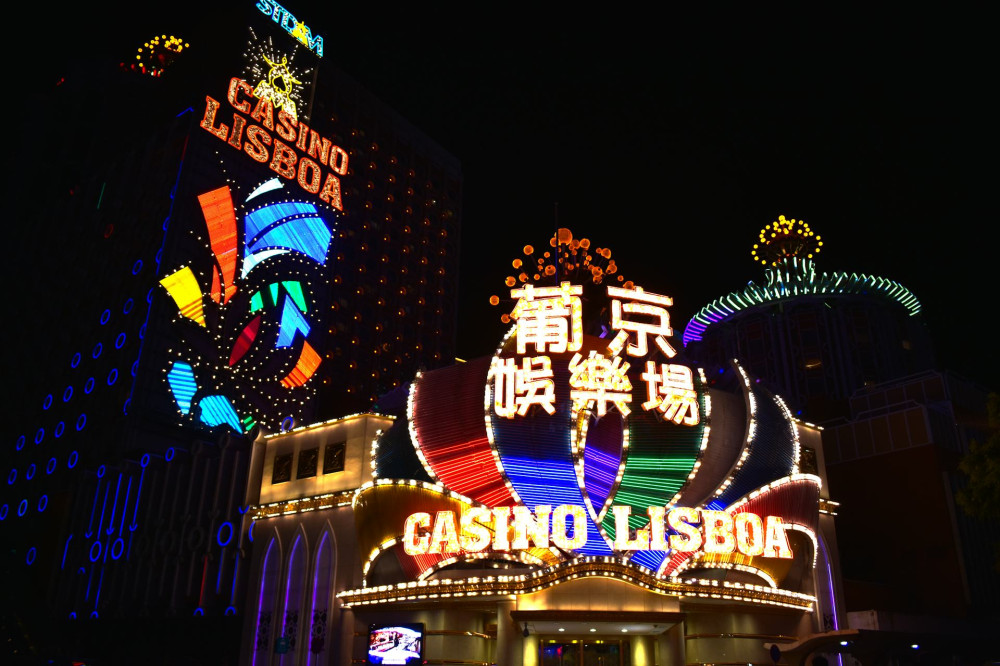
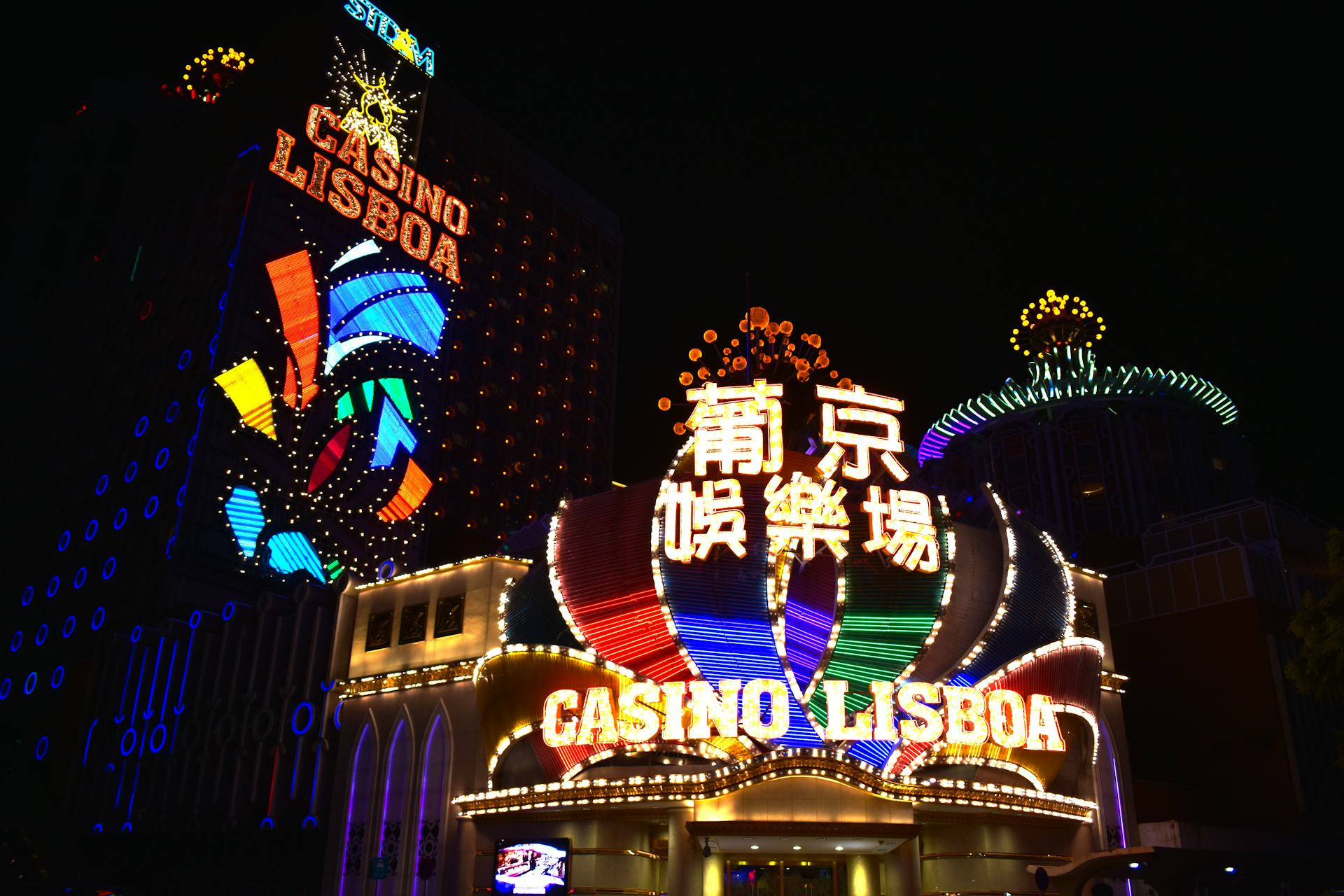
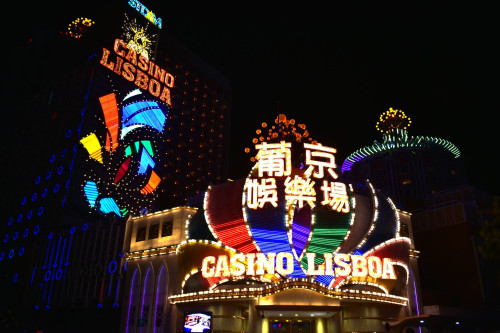
Across the Pacific, Macau has experienced a similar transformation. After liberalizing its gaming industry in 2002, the former Portuguese colony saw explosive growth. International operators such as Sands, Wynn, and MGM invested billions in integrated resorts, and Macau quickly became the world’s largest gaming market by revenue.
The casino boom has created tens of thousands of jobs and financed major infrastructure projects, including bridges, public transit, and urban renewal. Tourism has reshaped Macau’s identity—from a quiet port city to a global destination where luxury, architecture, and culture converge.
Europe: Tradition, Luxury, and Cultural Heritage
In Europe, casinos have a longer and more aristocratic history. Monte Carlo in Monaco is a classic example. When the principality faced financial difficulties in the 19th century, the casino was built to attract wealthy visitors. The strategy worked—Monte Carlo became a symbol of glamour and exclusivity.
Other European cities, such as Baden-Baden in Germany and Deauville in France, have also used casinos to enhance their cultural and tourism profiles. Here, gaming is intertwined with architecture, history, and social life. The casino is not just a place to gamble but a venue for art, music, and high society.
Economic Engine – and a Challenge
While casinos can drive economic growth, they also bring challenges. Heavy dependence on gaming revenue can make cities vulnerable to economic downturns or regulatory changes. Social issues such as problem gambling and debt can also emerge if not managed responsibly.
Many cities are therefore diversifying their economies. Las Vegas, for instance, has invested heavily in conventions, professional sports, and technology sectors, while Macau is promoting culture, gastronomy, and family-friendly attractions. The goal is to build a more sustainable tourism model in which casinos remain important—but not the sole—drivers of prosperity.
Online Casinos and the Digital Shift
In recent years, online casinos have reshaped the gaming landscape. While physical casinos continue to attract tourists, digital platforms have made gaming accessible to millions worldwide. This shift has created new revenue streams but also challenged traditional casino destinations to stay relevant.
Some cities are embracing digital innovation as a marketing tool. Las Vegas and Macau, for example, have launched virtual experiences and online events that blend physical tourism with digital engagement, expanding their global reach.
Læs også:


Casinos as Catalysts for Urban Transformation
Whether it’s the skyline of Las Vegas, the waterfront of Macau, or the historic halls of Monte Carlo, the evidence is clear: casinos can act as catalysts for urban development. They generate jobs, attract investment, and put cities on the world map.
However, long-term success depends on balance—between economic gain and social responsibility. The cities that integrate casinos into broader strategies for tourism, culture, and sustainability are the ones best positioned to thrive in the future.
Læs også: