Travel Guide or GPS? How to Find Your Way in New Surroundings


Travel Guide or GPS? How to Find Your Way in New Surroundings
When you step into unfamiliar territory—whether it’s a weekend in New York City, a road trip through the Southwest, or a hike in the Rockies—you face a familiar question: Should you rely on your GPS, or is it better to carry a traditional travel guide? Both have their strengths, and often the best approach is a mix of the two. Here’s how to navigate new surroundings in a way that fits your travel style.
GPS – Fast, Accurate, and Always in Your Pocket
Most of us carry a GPS every day in the form of a smartphone. It can calculate routes, warn about traffic, and even suggest nearby restaurants or gas stations. That makes it indispensable, especially when you need to find a specific address or navigate through an unfamiliar city.
Advantages of GPS:
- Accuracy and updates: GPS apps are constantly refreshed with the latest maps and traffic data.
- Time-saving: No need to stop and check signs or unfold a map.
- Flexibility: You can easily reroute if you want to take a detour or avoid congestion.
Still, there are drawbacks. Your phone battery can die, signals can drop in remote areas, and it’s easy to become so dependent on the voice in your ear that you lose your sense of direction—or miss the scenery around you.
The Travel Guide – Your Key to Context and Discovery
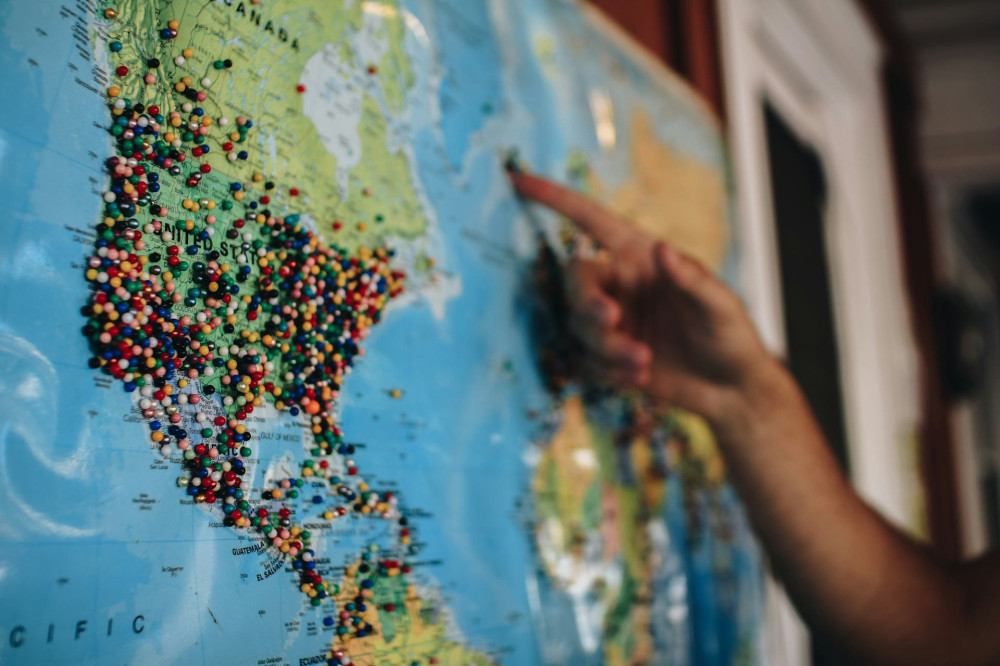
A printed travel guide or paper map might seem old-fashioned, but it offers something technology can’t replace: context. A good guidebook doesn’t just tell you how to get somewhere—it tells you why you should go there. It’s full of stories, cultural insights, and local tips that help you understand the place you’re visiting.
Advantages of a travel guide:
- Big-picture overview: You can see an entire region at once and plan your route accordingly.
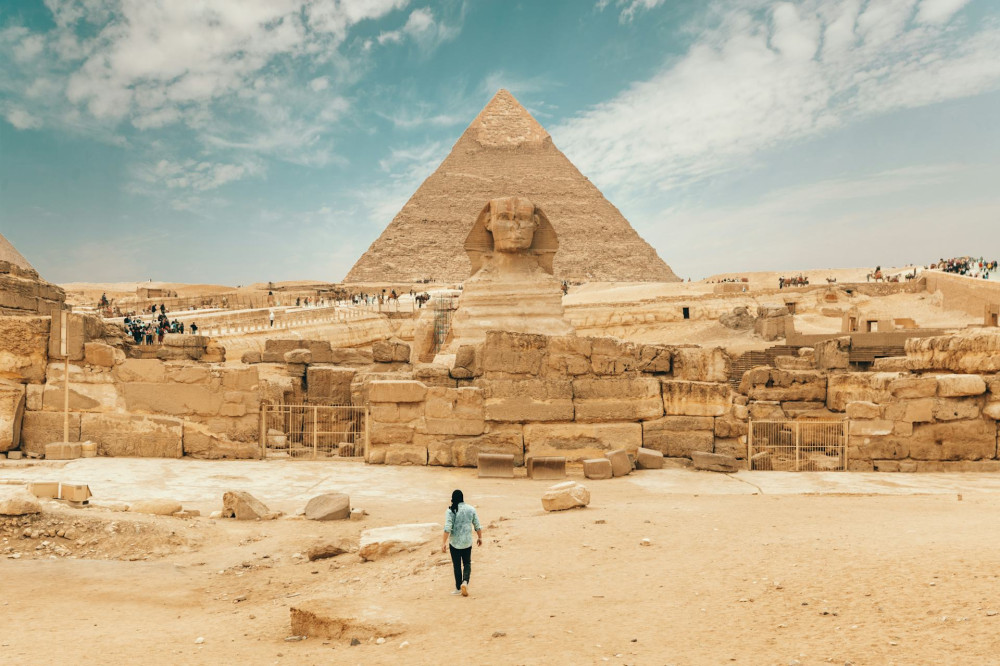
- Inspiration: Guides often highlight hidden gems you’d never find through GPS alone.
- Independence: No need for Wi-Fi, data, or a power outlet.
A guidebook can also become part of the experience itself—something to flip through at a café, jot notes in, and bring home as a keepsake.
The Best of Both Worlds
In reality, it’s rarely an either-or choice. Many travelers use GPS to get from point A to point B but rely on a guidebook for ideas about where to go next. That way, you get both efficiency and inspiration.
A smart tip is to download offline maps before your trip, so you can use GPS without an internet connection, and carry a small paper map or guidebook as backup. That combination gives you peace of mind if technology fails—and the freedom to explore without being glued to a screen.
When You’re on Foot or on a Bike
If you’re exploring on foot or by bike, GPS apps can be a huge help for finding trails and paths. Apps like AllTrails or Komoot show detailed maps and elevation data, but a paper map can still be useful for planning breaks or overnight stops.
Paper maps also give you a better sense of distance and terrain—something that’s hard to gauge on a small screen.
When You’re Driving
On a road trip, GPS is almost essential, especially in large cities or on complex highway systems. Just make sure your app works offline and that you’ve downloaded the necessary maps. In rural areas, road signs can be sparse, and addresses may not always match up perfectly, so having a printed route or atlas as backup is a good idea.
If you’re renting a car, you can often request a built-in GPS, but those systems aren’t always up to date. A smartphone with a reliable app is usually more accurate.
Læs også:


When You Want More Than Just Directions
Finding your way isn’t only about reaching your destination—it’s also about what you discover along the way. A GPS will show you the fastest route, but not necessarily the most scenic one. A travel guide might inspire you to take a detour through a small town, stop at a local market, or visit a viewpoint you’d otherwise miss.
So, use your GPS as a tool, but let curiosity set the pace. Turn off navigation once in a while and wander. That’s often when the best travel memories are made.
Find Your Own Way to Navigate
There’s no single right way to find your way around. Some travelers feel secure with GPS as their constant companion, while others enjoy the freedom of a map and a bit of intuition. The key is to choose the method that fits your travel style—and to remember that getting a little lost now and then is part of the adventure.
Læs også: