Coffin Choices and Traditions – What You Should Know

Coffin Choices and Traditions – What You Should Know
When a loved one passes away, families are faced with many decisions—both emotional and practical. One of the most significant is choosing a coffin. A coffin is not only a practical necessity but also a symbol of respect, farewell, and the life that has been lived. In the United States, funeral traditions vary widely depending on culture, religion, and personal preference. Here’s an overview of what you should know about coffin choices and the traditions that accompany them.
The Purpose and Meaning of the Coffin
A coffin, or casket as it’s more commonly called in the U.S., serves both a functional and symbolic role. Functionally, it protects the body during viewing, transport, and burial or cremation. Symbolically, it represents the final resting place—a vessel of dignity and remembrance.
In most states, there are no federal laws requiring a casket for burial or cremation, but cemeteries and funeral homes often have their own regulations. Families generally have the freedom to choose the type, material, and design that best reflects their wishes and the personality of the deceased.
Materials and Design
Caskets in the U.S. are typically made from wood or metal. Wooden caskets—often crafted from oak, cherry, mahogany, or pine—offer a warm, natural appearance. Metal caskets, made from steel, bronze, or copper, are known for their durability and sleek finish.
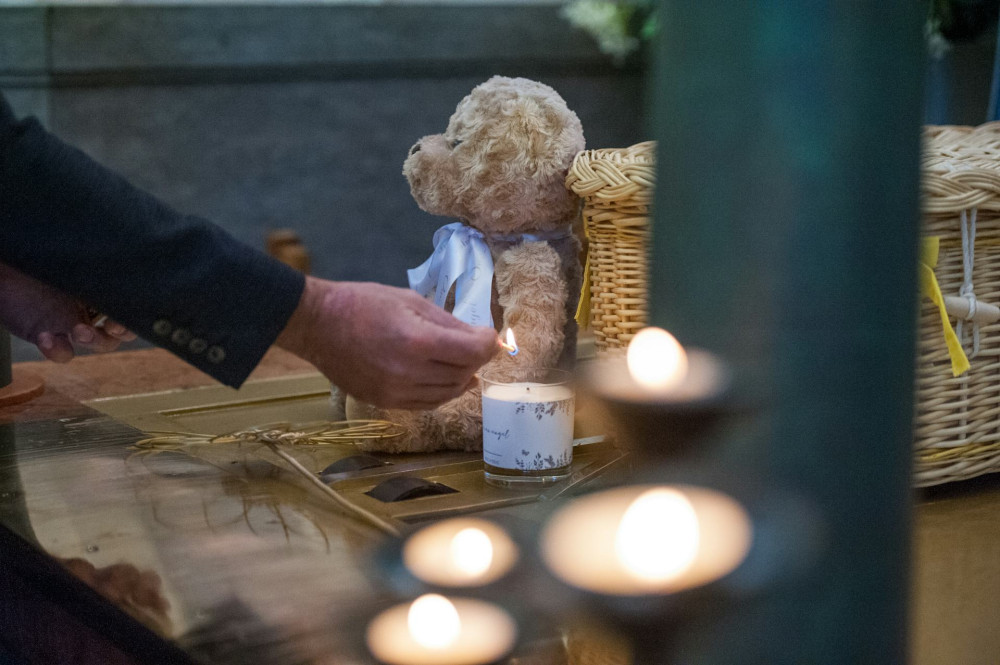
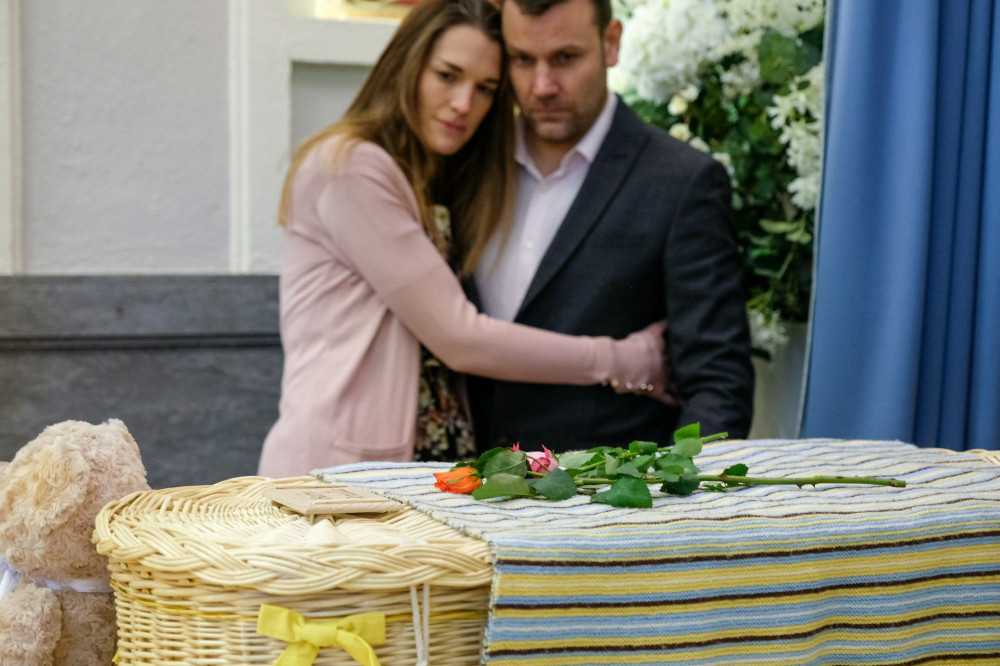
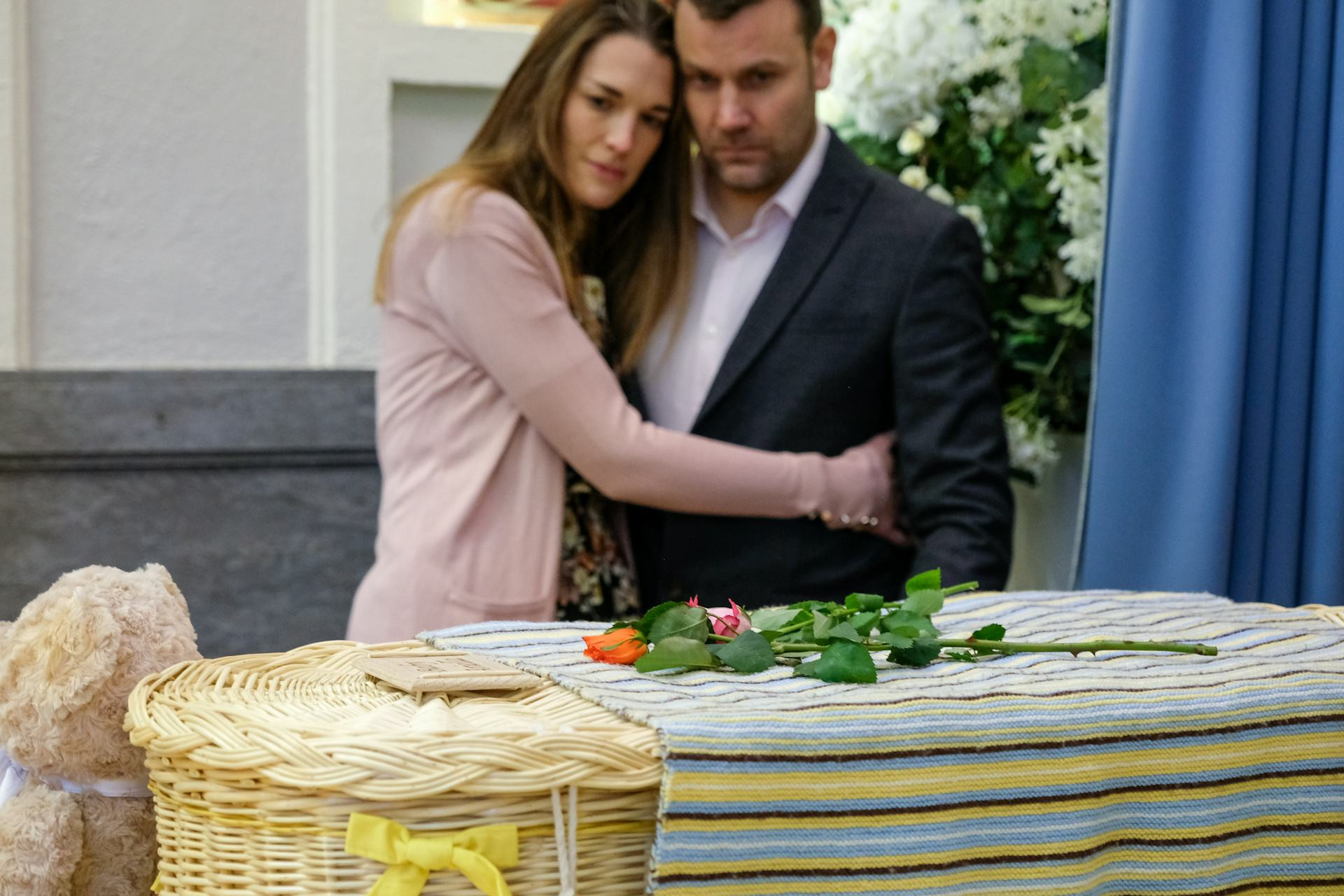
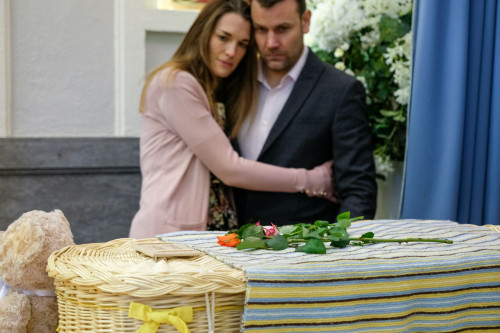
For those seeking environmentally friendly options, biodegradable caskets made from bamboo, wicker, or cardboard are becoming more popular. These are especially suitable for green burials, where the goal is to minimize environmental impact.
Casket designs range from simple and understated to ornate and decorative. Some families prefer a traditional rectangular shape with polished handles and velvet interiors, while others choose modern or minimalist designs. The choice often depends on personal taste, cultural background, and budget.
Colors and Personal Touches
While classic tones like bronze, silver, and natural wood remain popular, many families now opt for more personalized colors and finishes. Soft blues, whites, or even custom-painted designs can reflect the individuality of the person being honored.
Personal touches are also becoming more common. Families may add embroidered linings, engraved nameplates, or symbols that represent the deceased’s passions or beliefs. Some even invite children or grandchildren to write messages or decorate the casket as part of the farewell process.
Læs også:
Traditions and Farewell Customs
Coffin traditions in the U.S. vary greatly depending on faith and region. In Christian funerals, pallbearers—often close family or friends—carry the casket during the service, symbolizing love and respect. In Jewish tradition, simple wooden caskets without metal parts are used, reflecting humility and equality in death. In some African American and Southern communities, open-casket viewings are an important part of saying goodbye, allowing loved ones to pay their final respects.
At the graveside, flowers are often placed on the casket before it is lowered into the ground—a gesture of remembrance and affection. In cremation services, the casket or cremation container is taken to the crematory after the ceremony, and families may choose to keep or scatter the ashes in a meaningful place.
New Trends and Eco-Friendly Options
As environmental awareness grows, more Americans are exploring sustainable burial options. Green cemeteries allow natural burials without embalming fluids or metal caskets, using biodegradable materials that return gently to the earth. Some families choose cremation with eco-friendly urns or even tree-planting memorials as a living tribute.
There is also a growing trend toward personalized and less formal ceremonies. Families may hold services outdoors, at home, or in community spaces, where the casket and its design become part of the story being told about the person’s life.
What Does a Casket Cost?
Casket prices in the U.S. vary widely depending on material, craftsmanship, and brand. A basic wooden or steel casket may cost between $1,000 and $3,000, while high-end or custom-made models can exceed $10,000. Funeral homes are required by law to provide a price list, and families have the right to purchase a casket from an outside vendor if they wish.
Online retailers and direct-to-consumer manufacturers often offer more affordable options, but it’s important to ensure that the casket meets cemetery or crematory requirements.
A Thoughtful Decision
Choosing a coffin is a deeply personal decision that blends practical considerations with emotional meaning. For some, it’s important that the casket reflects the personality and values of the deceased; for others, simplicity and tradition matter most. Taking time to explore the options—and discussing them with family or a trusted funeral director—can bring clarity and comfort during a difficult time.
Ultimately, what matters most is that the choice feels right for your family and honors your loved one with dignity, respect, and love.
Læs også: