Memories That Last: Keeping the Presence of a Loved One Alive Through Personal Belongings

Memories That Last: Keeping the Presence of a Loved One Alive Through Personal Belongings
When someone we love passes away, we are left not only with grief but also with a deep longing to stay connected. Memories live within us, but they can also take shape through the objects we choose to keep. A favorite sweater, a coffee mug, a piece of jewelry, or a photograph can become small anchors that hold us close to the person we’ve lost—not to cling to sorrow, but to give it a place to rest.
This article explores how personal belongings can help us maintain a sense of presence with a loved one who has passed, and how these items can become part of the healing process.
Objects as Carriers of Meaning
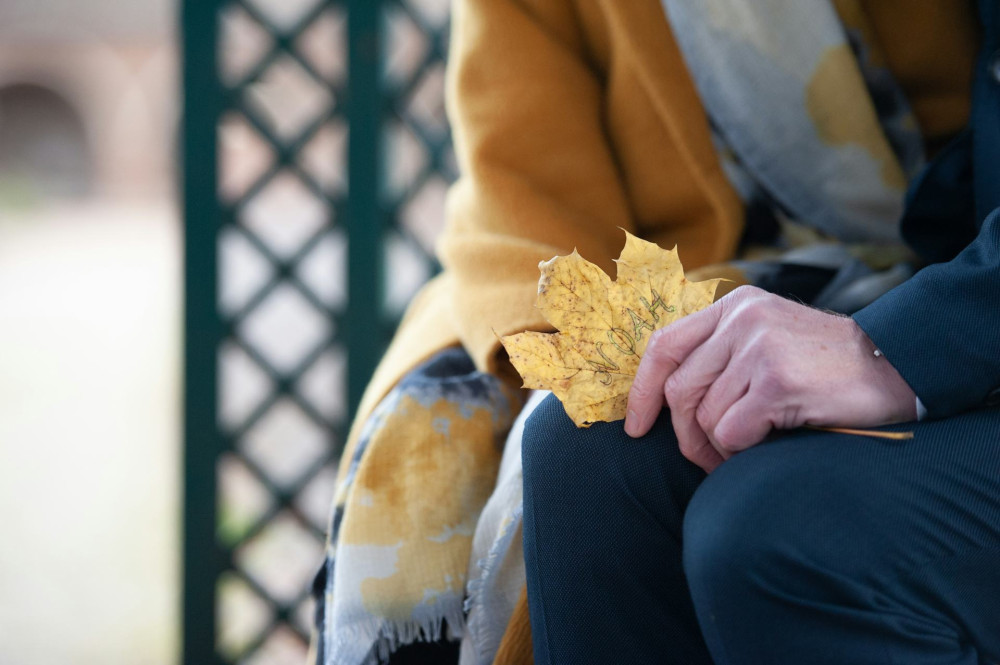
When loss enters our lives, the things around us suddenly take on new significance. A scent, a handwritten note, or an everyday object can evoke memories and emotions that words cannot fully express.
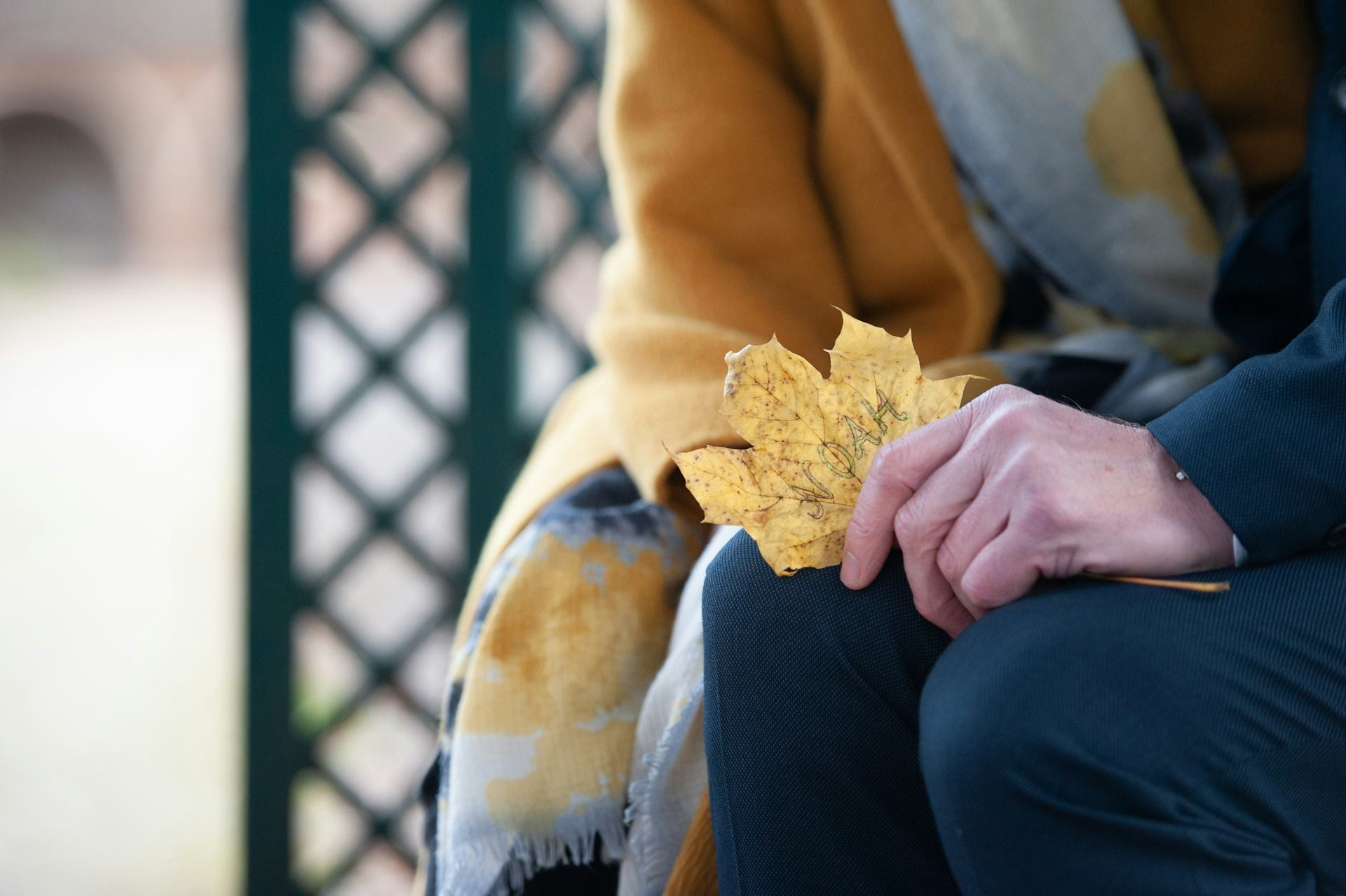
It’s not about material value, but about emotional meaning. A worn baseball cap might tell more about a person’s habits and humor than any photograph. A favorite chair might hold decades of laughter, quiet moments, and conversation.
Keeping such items is a way of saying: You are still part of my life—just in a different way.
Choosing What to Keep
Sorting through a loved one’s belongings can be one of the most difficult parts of grieving. Some people feel the need to clear things out quickly, while others prefer to leave everything untouched for a while. There is no right or wrong approach.
Take your time. Go through the items at a pace that feels right for you. You might invite family or close friends to join you, sharing stories and memories as you decide what to keep.
Consider choosing a few meaningful items—those that truly reflect the person and your relationship. It might be:
- A piece of clothing that still carries their scent
- A piece of jewelry they wore every day
- A book with notes in the margins
- A photograph that captures a special moment
These objects can become tangible connections to the life that was shared.
Creating a Personal Memorial Space
Many people find comfort in creating a small space at home where memories can live. It might be a shelf, a table, or a box where you gather the items you’ve chosen to keep.
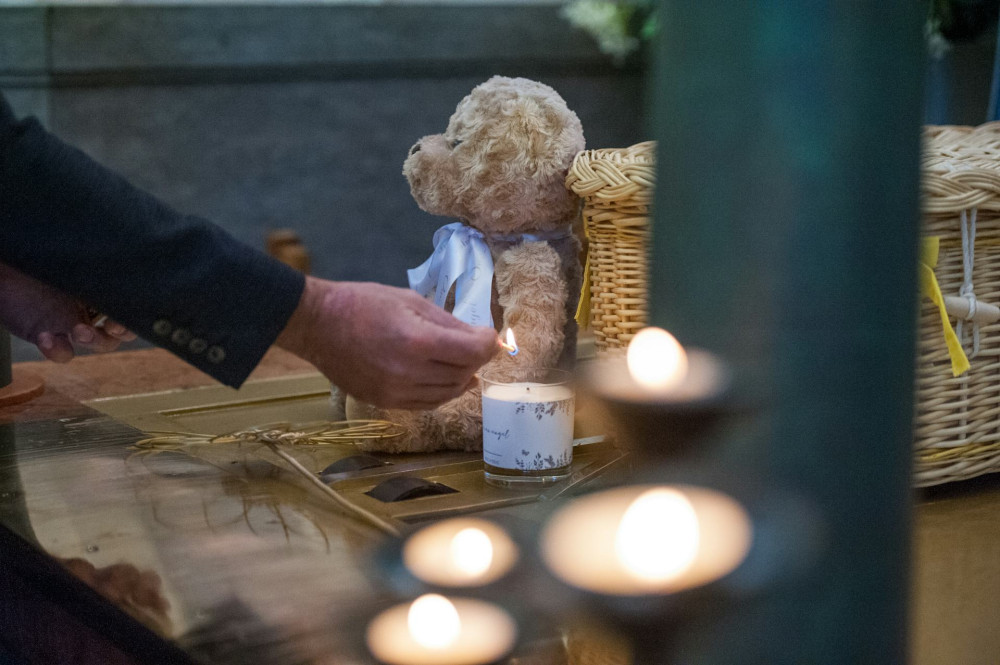
A memorial space doesn’t have to be elaborate or formal. What matters most is that it feels right to you. Some light a candle, place flowers, or write small notes. It can be a place to return to when the ache of loss feels strong—a space where remembrance feels peaceful rather than painful.
Such a space can also help children who are grieving. It gives them a way to express their feelings and talk about the person they miss in a concrete, comforting way.
Sharing the Memories
Memories grow stronger when they are shared. Telling stories about your loved one, showing photos, or passing along a cherished item to another family member can help keep their presence alive.
Some families create memory books or digital collections filled with photos and stories. Others make quilts from clothing or turn a wedding ring into a new piece of jewelry.
The goal isn’t to build a monument, but to give memories a form that can be carried forward—within the family and within the heart.
Letting Go Without Losing
Keeping personal belongings doesn’t mean you can’t move forward. In fact, these items can help you find peace in your grief. Having something tangible to hold onto can make it easier to accept that your loved one is no longer physically present.
Over time, your relationship with these objects may change. You might choose to pass them on, donate them, or keep them for life. What matters most is that your choices feel meaningful and help you maintain a connection that brings comfort.
Læs også:
Memories That Continue to Live
Grief is not only about loss—it’s also about love. The belongings we keep become symbols of that enduring love. They remind us that the relationship doesn’t disappear; it transforms.
When we touch an object that once belonged to someone we loved, we feel not only the ache of absence but also the warmth of presence. It’s a quiet reminder that memories do not fade away. They live on—in our hands, in our homes, and in our hearts.
Læs også: