Eat with Soul: Rituals That Enrich the Dining Experience

Eat with Soul: Rituals That Enrich the Dining Experience
In a culture that prizes speed and convenience, meals often become just another task to check off the list. We eat while scrolling, driving, or working, barely noticing what’s on the plate. But food is more than fuel—it’s connection, creativity, and care. By bringing small rituals back to the table, we can transform eating from a routine into a moment of meaning. Here’s how to eat with soul.
Create Calm Before You Eat
A meal begins long before the first bite. It starts in the transition from doing to being. Many traditions mark this shift with a prayer, a moment of silence, or a simple expression of gratitude. You don’t have to be religious to do the same. Try taking a few deep breaths, dimming the lights, or putting your phone away before you sit down. These small gestures signal to your body and mind that it’s time to slow down.
You might light a candle, set the table with intention, or simply pause to look at your food and appreciate it. The goal isn’t perfection—it’s presence.
Læs også:

Engage All Your Senses
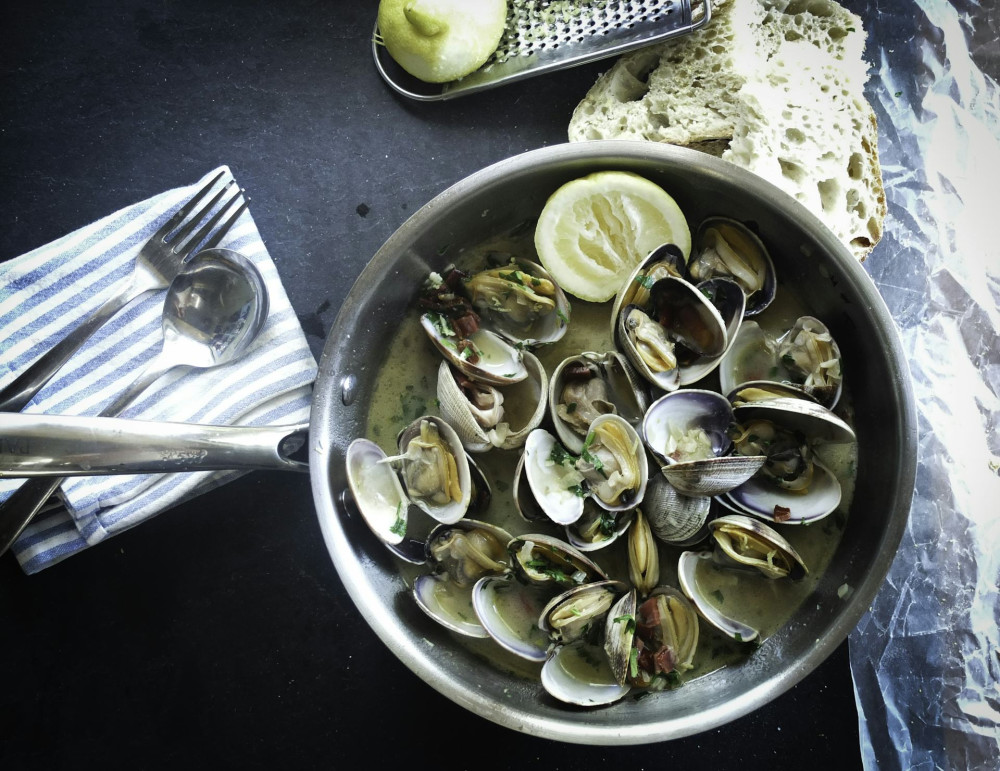
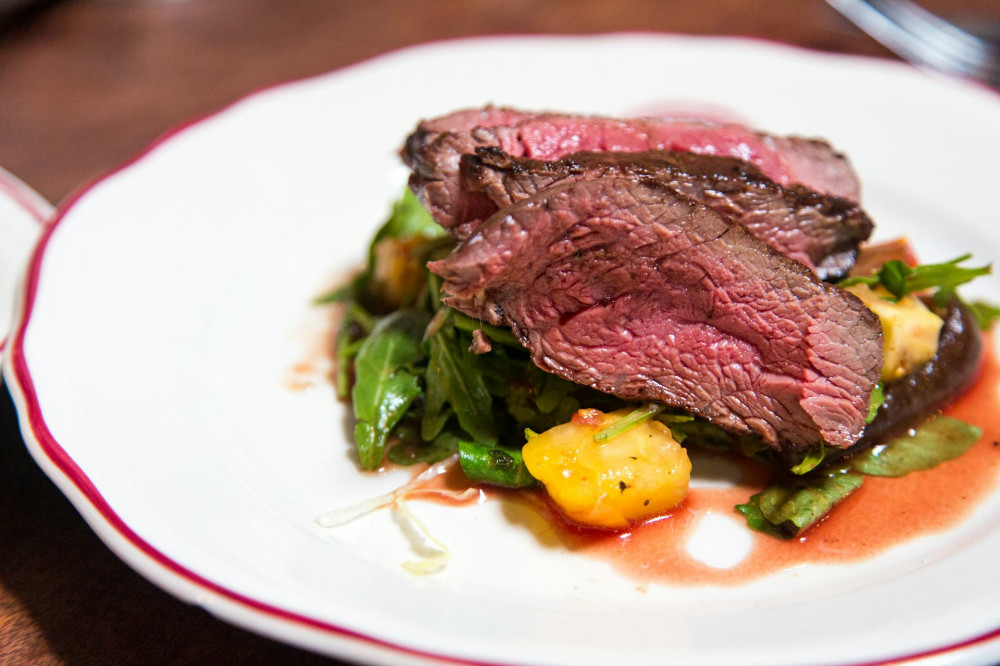
When we eat quickly, we lose touch with the sensory richness of food. Eating with soul means being fully present: noticing the colors, inhaling the aromas, feeling the textures, and listening to the sounds around the table.
Take your first bite slowly. Notice how the flavors unfold and how your body responds. This kind of mindful eating can change the entire experience. You may find that you feel satisfied sooner, or that you enjoy your food more deeply, even in smaller portions.
Make the Meal a Gathering
Food has always been a way to connect. Sharing a meal means sharing time, stories, and attention. Yet in many American households, family dinners have become rare, and when they do happen, conversation often revolves around logistics.
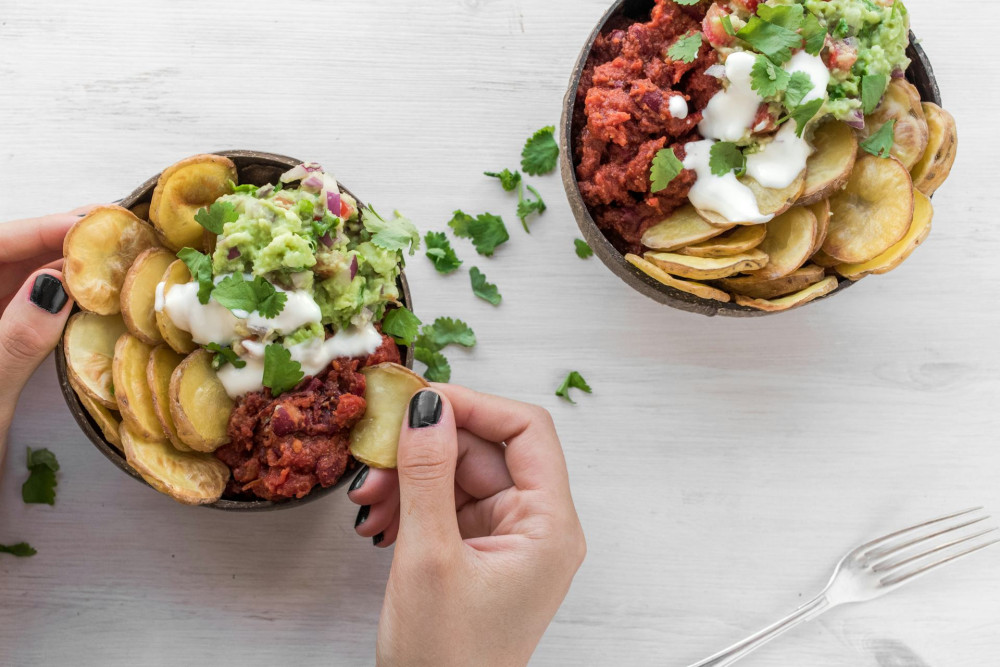
Try reintroducing small communal rituals: take turns sharing something good from the day, let each person choose a song for dinner, or cook together as a team. These moments build a sense of belonging and turn mealtime into something more than eating—it becomes a shared experience.
Cooking as a Form of Meditation
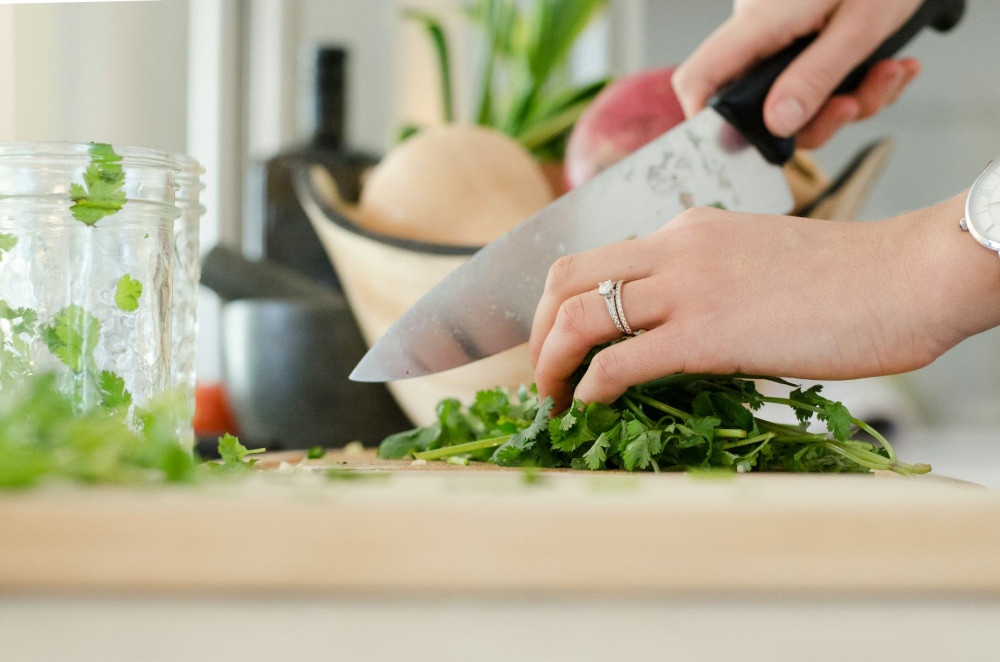
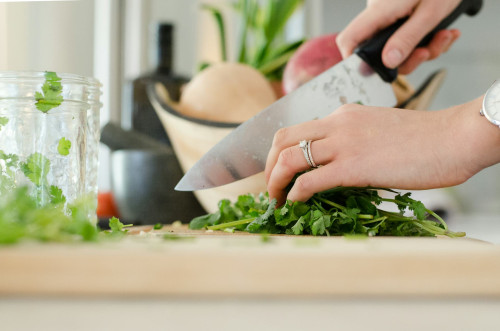
Cooking doesn’t have to be a chore. It can be a form of meditation, a way to step out of the day’s rush. Chop vegetables slowly, listen to the sizzle of the pan, and breathe in the scent of herbs and spices. When you cook with attention, the process itself becomes nourishing.
Even simple dishes—a pot of soup, a salad, or a batch of cookies—can become acts of care. You connect not only with the ingredients but also with the people who will share the meal.
Gratitude as the Secret Ingredient
One of the most powerful yet overlooked rituals is gratitude. Taking a moment to reflect on where your food comes from—the farmers, the soil, the animals, the hands that prepared it—can deepen your sense of respect and connection.
You can do this silently or aloud, alone or with others. A simple “thank you for this meal” can be enough if it’s said with sincerity. Gratitude reminds us that food is not just something we consume—it’s something we receive.
Create Your Own Rituals
There are no strict rules for eating with soul. The best rituals are the ones that feel natural to you. Maybe you’ll decide to eat without screens, host a weekly dinner with friends, or spend a few quiet minutes at the table after finishing your meal.
Small actions can make a big difference. When you eat with soul, the meal becomes more than a pause in your day—it becomes a moment of rhythm, reflection, and joy that nourishes far beyond the plate.
Læs også: