Wild and Wild: When Game Meat and Wild Plants Come Together in Harmonious Dishes

Wild and Wild: When Game Meat and Wild Plants Come Together in Harmonious Dishes
There’s something deeply satisfying about eating food that comes straight from the wild. Game meat and wild plants represent two sides of the same primal force—the pure, untamed flavor of forest, field, and mountain. When they meet on the plate, they create a harmony that feels both ancient and refreshingly modern. Across the United States, chefs, hunters, and foragers are rediscovering the joy of combining what’s hunted and what’s gathered, crafting dishes that taste of season, landscape, and respect for nature’s rhythm.
The Character of Game – From Wilderness to Table
Game meat stands apart from farm-raised meat. It’s lean, rich in flavor, and shaped by the animal’s free life. Venison, elk, wild turkey, duck, rabbit, and even wild boar are staples in the American wild game kitchen. The taste varies depending on the animal’s diet and habitat—a whitetail deer that’s fed on acorns and wild herbs will taste different from one that’s grazed on prairie grasses.
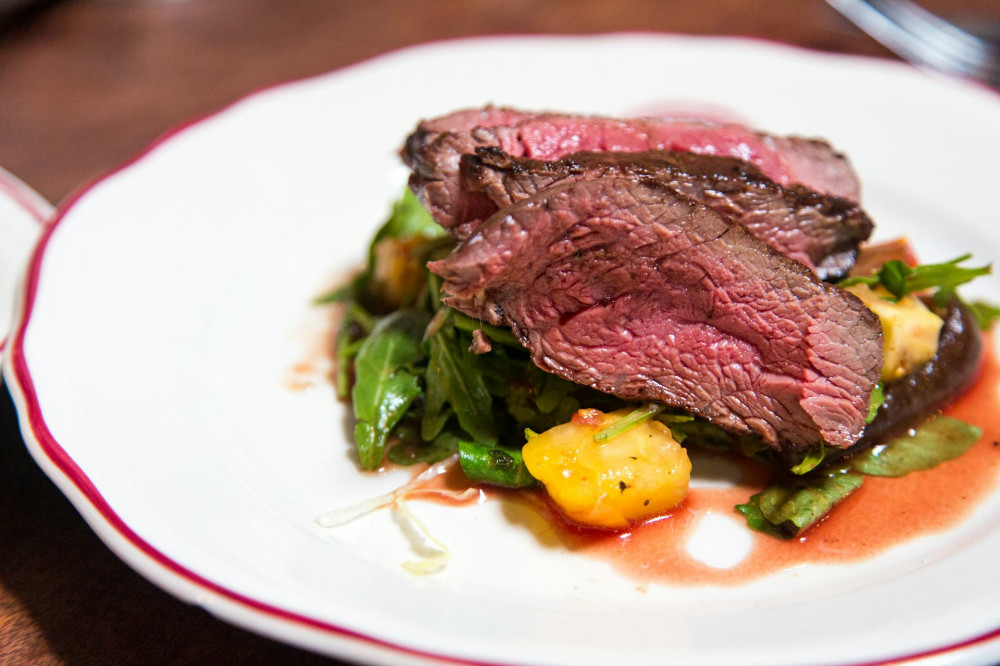
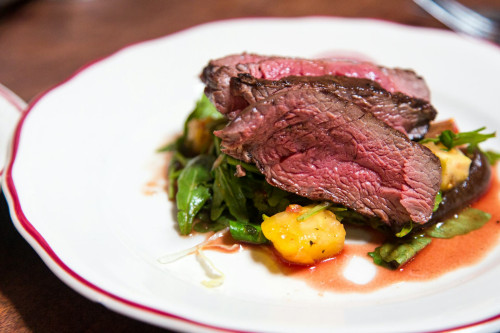
Cooking game requires care. Because it’s lean, it can dry out easily if overcooked. Slow roasting, braising, or sous vide methods help preserve tenderness and bring out the deep, earthy notes. Marinades with juniper, rosemary, or red wine can add complexity, but often it’s simplicity that lets the natural flavor shine. A perfectly seared venison loin with just salt, pepper, and a touch of butter can be a revelation.
The Role of Wild Plants – Nature’s Green Seasoning
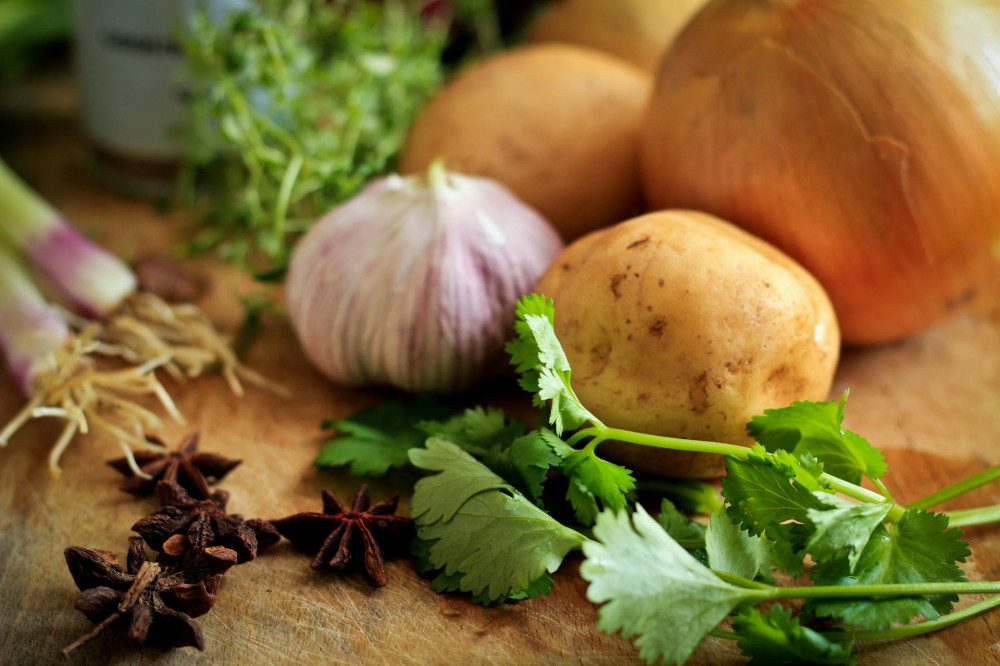
Where game brings depth and richness, wild plants add brightness, acidity, and aroma. America’s landscapes are full of edible greens, herbs, and berries that can elevate any dish. Ramps, fiddlehead ferns, wild garlic, dandelion greens, purslane, and wild sorrel are just a few of the treasures that can be found from early spring through late fall.
These plants act as nature’s spice rack. Wild sorrel adds a lemony tang to a hearty venison stew, while sautéed nettles can replace spinach in a creamy purée. Elderberries and wild cranberries bring tart sweetness to duck or pheasant dishes. The interplay between the robust meat and the delicate, foraged greens creates balance—a culinary conversation between forest floor and meadow bloom.
The Seasons’ Dialogue – Nature’s Own Menu
Cooking with game and wild plants is about following the rhythm of the year. Autumn is peak season for both hunting and foraging: mushrooms, berries, and herbs are abundant, and game is at its best. A fall dish of elk medallions with chanterelles and wild cranberries perfectly captures the season’s essence.
In spring, lighter dishes take the stage—think wild turkey breast with ramp butter and young dandelion greens. Summer brings edible flowers, wild herbs, and berries that pair beautifully with smoked duck or grilled rabbit. By letting the seasons guide the menu, you not only get fresher ingredients but also a deeper connection to the land around you.
Læs også:

From Nature to Table – Respect and Sustainability
Working with wild ingredients demands respect for nature. Hunting and foraging should always be done responsibly—taking only what’s needed and following local regulations. For many, this approach is part of a sustainable lifestyle: sourcing food directly from the land, avoiding industrial supply chains, and honoring the ecosystems that provide for us.
It’s also a way to revive traditional knowledge that once came naturally. Knowing which plants are safe to eat, understanding animal behavior, and using every part of the animal—from meat to bones and organs—are skills that connect us to generations past. This mindful approach turns every meal into a story of place and purpose.
Inspiration for the Kitchen
You don’t have to be a hunter to enjoy wild flavors. Many specialty butchers and local farms sell game meat, and wild herbs can often be found at farmers’ markets or purchased dried and frozen. Try, for example:
- Venison medallions with ramp butter and roasted root vegetables – a simple dish where the freshness of the greens meets the depth of the meat.
- Wild duck with elderberry glaze and sorrel – a refined balance of sweetness and acidity.
- Rabbit stew with nettles and mushrooms – a rustic classic that warms the soul on cold days.
The key is to experiment. Nature offers an incredible palette of flavors, and once you start combining them, a world of possibilities opens up.
A Taste of the Wild America
When game meat and wild plants come together, they create a form of gastronomy that’s about more than taste—it’s about connection. Connection to the land, to the seasons, and to the food traditions that have shaped us. It’s food that asks for patience, curiosity, and respect—but in return, it offers an experience that’s both grounded and elevated, wild and harmonious.
Læs også: