The Journey of Flavor: Aging and Storage as the Key to Culinary Quality

The Journey of Flavor: Aging and Storage as the Key to Culinary Quality
When we talk about high-level gastronomy, it’s not only about the freshness of ingredients—it’s also about time. Aging and storage are transformative processes that shape flavor, texture, and aroma, often serving as the very key to culinary excellence. From cheese and wine to meat and even vegetables, patience and craftsmanship turn simple ingredients into complex, memorable experiences.
Time as an Ingredient
In a culture that often celebrates speed and convenience, aging reminds us that true quality takes time. When a cheese matures for months or years, or when a cut of beef is dry-aged, chemical and biological changes occur that deepen and refine flavor. Proteins break down, fats oxidize, and moisture evaporates, concentrating taste and enhancing tenderness.
The same principle applies to wine, where aging in barrels or bottles can transform a young, fruity vintage into a layered experience with notes of nuts, tobacco, or dried fruit. Time isn’t just a factor—it’s an active participant in the creation of flavor.
The Many Faces of Aging
Aging takes many forms, depending on the ingredient and the desired outcome.
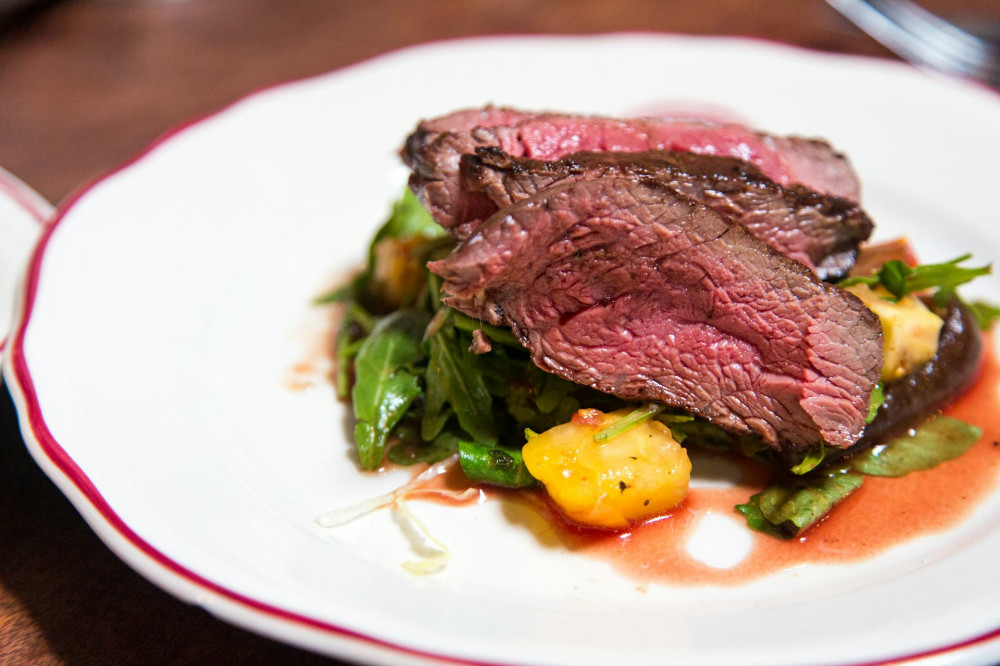
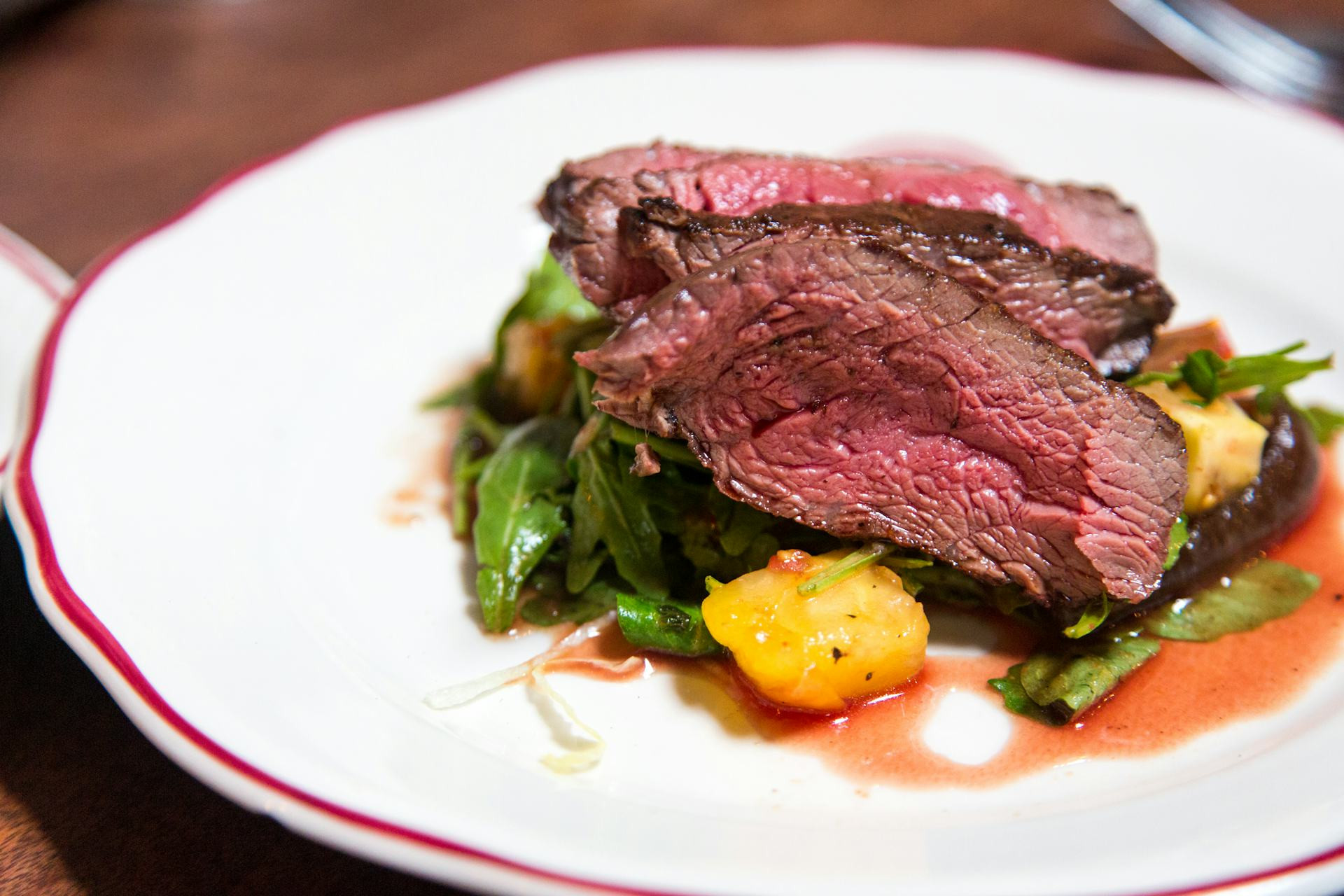
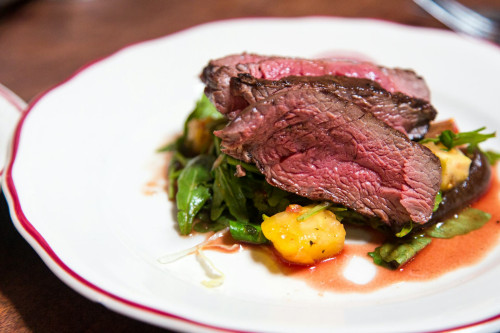
- Dry-Aged Meat: In a carefully controlled environment, beef is hung to rest while humidity and temperature are precisely monitored. Moisture loss intensifies flavor, and natural enzymes tenderize the meat, resulting in a rich, buttery texture prized by steakhouses across the country.
- Cheese and Dairy: From fresh chèvre to aged cheddar or Parmigiano-Reggiano, maturation defines both taste and texture. Bacteria and molds work slowly, developing the distinctive aromas and flavors that make each cheese unique.
- Fermentation: A biological form of aging, fermentation relies on microorganisms like yeast and bacteria to convert sugars and starches into acids, alcohol, or gases. It’s the foundation of sourdough bread, sauerkraut, kimchi, and craft beer—staples of both traditional and modern American kitchens.
- Wine and Spirits: Barrel aging not only imparts flavor from the wood but also allows for gentle oxidation that softens and refines the drink. Whether it’s a Napa Cabernet or a Kentucky bourbon, time in the barrel is what gives depth and character to the final sip.
All these methods require control, experience, and respect for the process. Too much time can ruin the result; too little can leave the flavor undeveloped.
Læs også:
Balancing Craft and Science
Aging and storage are both art and science. Modern gastronomy combines traditional methods with precise technology. Temperature, humidity, and airflow are measured and adjusted to create ideal conditions for each ingredient.
Yet even with advanced equipment, intuition remains essential. A cheesemaker can smell when a wheel is ready. A winemaker can taste when a barrel has reached its peak. This balance between human skill and natural process is what makes aging one of the most fascinating aspects of culinary craftsmanship.
The Taste of Patience
When we savor a well-aged cheese, a glass of mature wine, or a perfectly dry-aged steak, we are tasting time itself. Each bite and sip carries the story of months or years of transformation, where nature and human care have worked in harmony.
In a world driven by instant gratification, aging stands as a quiet rebellion—a celebration of slowness and depth. It reminds us that quality cannot be rushed, and that the most rewarding flavors often come to those who wait.
A Journey That Never Ends
Aging and storage aren’t reserved for professionals. More and more home cooks are experimenting with fermentation, sourdough, and homemade pickles. It’s a way to reconnect with ingredients and witness firsthand how time can turn the ordinary into the extraordinary.
The journey of flavor never truly ends—it evolves, layer by layer, day by day. And perhaps the greatest pleasure lies not just in the taste itself, but in the waiting.
Læs også: